

Introduction
Technology has become an important part of everyday life. From smartphones and smart home devices to artificial intelligence and cloud-based services, modern technology continues to change how people work, communicate, learn, shop, travel, and manage their daily activities. What once seemed like advanced technology is now becoming common in homes, schools, offices, and businesses.
The rapid development of digital tools has also made many everyday tasks faster and more convenient. People can communicate with someone on the other side of the world within seconds, manage finances through mobile applications, attend meetings remotely, order products online, and use intelligent devices to automate household activities.
Several technology trends are particularly influential today. Artificial intelligence, smart devices, cloud computing, automation, digital payments, cybersecurity, and connected technologies are shaping the way people interact with the digital world. Understanding these trends can help individuals make better decisions about the technology they use and prepare for future changes.
Artificial Intelligence in Everyday Life
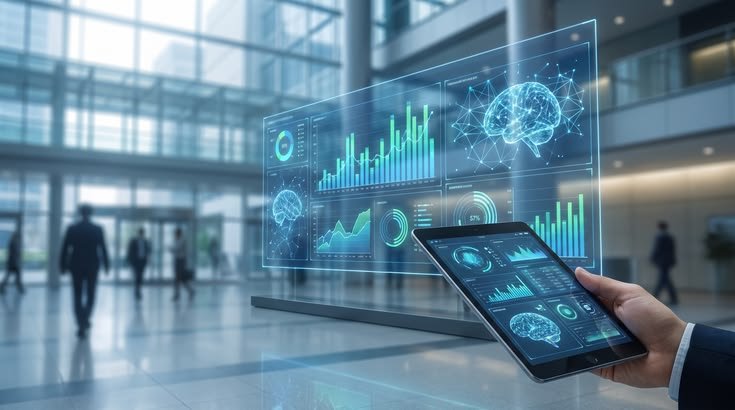
Artificial intelligence, commonly known as AI, is one of the most important technology trends of the modern era. AI allows software and machines to perform tasks that traditionally require human intelligence, such as understanding language, recognizing patterns, analyzing information, generating content, and making predictions.
Many people use AI without realizing how frequently it appears in their daily routines. Search engines use intelligent systems to provide relevant results, streaming platforms recommend movies and music, navigation applications suggest routes, and online stores recommend products based on previous activity.
AI assistants and generative AI tools have also become increasingly useful. They can help users write documents, summarize information, generate ideas, analyze data, learn new subjects, and complete various productivity tasks.
As AI continues to improve, it is likely to become even more integrated into smartphones, computers, vehicles, workplaces, and household devices.
Smart Home Technology
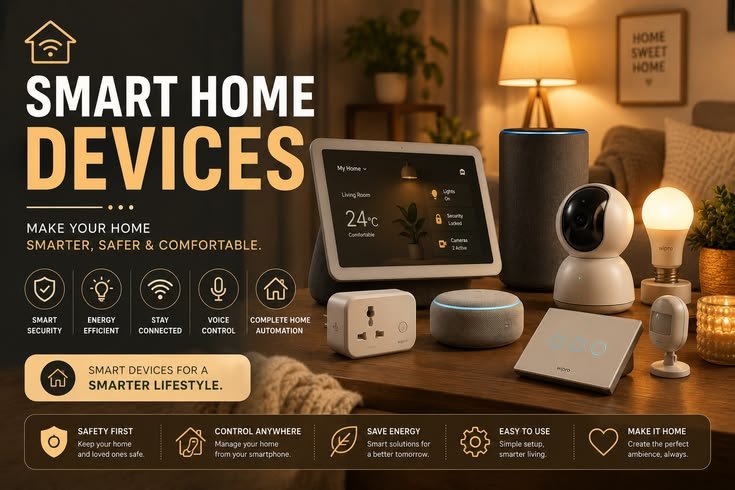
Smart home technology is another major trend changing everyday life. Smart devices can connect to the internet and communicate with users or other devices. This allows people to control different aspects of their homes through smartphones, voice commands, or automated settings.
Smart lights, thermostats, security cameras, doorbells, plugs, and appliances are examples of connected home technology. A homeowner might schedule lights to turn on automatically, adjust the temperature remotely, or receive an alert when a security camera detects movement.
The biggest advantage of smart home technology is convenience. Automation can reduce the number of repetitive tasks people need to perform manually. Smart devices can also help households monitor energy consumption and improve home security.
However, users should consider privacy and security when installing connected devices. Strong passwords, software updates, secure Wi-Fi networks, and trusted manufacturers can help reduce potential risks.
Cloud Computing and Digital Services
Cloud computing has transformed how people store information and access digital services. Instead of keeping all files and software on a single computer, cloud technology allows information and applications to be accessed through internet-connected devices.
Cloud storage services make it possible to save photos, documents, videos, and other files online. Users can then access their information from smartphones, tablets, laptops, or desktop computers.
Cloud computing is also important for businesses. Companies can use cloud-based software for communication, accounting, project management, data storage, customer service, and collaboration.
Remote work has increased the importance of cloud technology. Employees can collaborate on documents, attend virtual meetings, share files, and access business systems from different locations.
As internet infrastructure continues to improve, cloud-based services are expected to become an even larger part of everyday digital experiences.
The Growth of Digital Payments
Digital payments have changed how people purchase products and services. Mobile banking applications, digital wallets, contactless payments, and online payment platforms allow consumers to complete transactions without relying entirely on physical cash.
People can pay utility bills, purchase products, transfer money, and manage accounts using smartphones and computers. Businesses can also accept digital payments from customers through websites, mobile applications, and payment terminals.
Digital payments offer speed and convenience, particularly for online shopping and services. They can also make financial transactions easier to track.
At the same time, digital financial services require users to pay attention to security. Protecting passwords, enabling two-factor authentication, avoiding suspicious links, and using secure networks are important practices for safer online transactions.
Automation and Robotics
Automation is changing both workplaces and homes. Software automation can handle repetitive digital tasks, while physical robots can perform certain activities in factories, warehouses, hospitals, and other environments.
In offices, automation can help organize information, process documents, send notifications, manage schedules, and analyze large amounts of data. Businesses can therefore reduce repetitive work and allow employees to focus on more complex responsibilities.
Robotic technology is also becoming more visible in everyday environments. Automated cleaning devices, warehouse robots, manufacturing machines, and advanced transportation systems demonstrate how machines can perform tasks with limited human intervention.
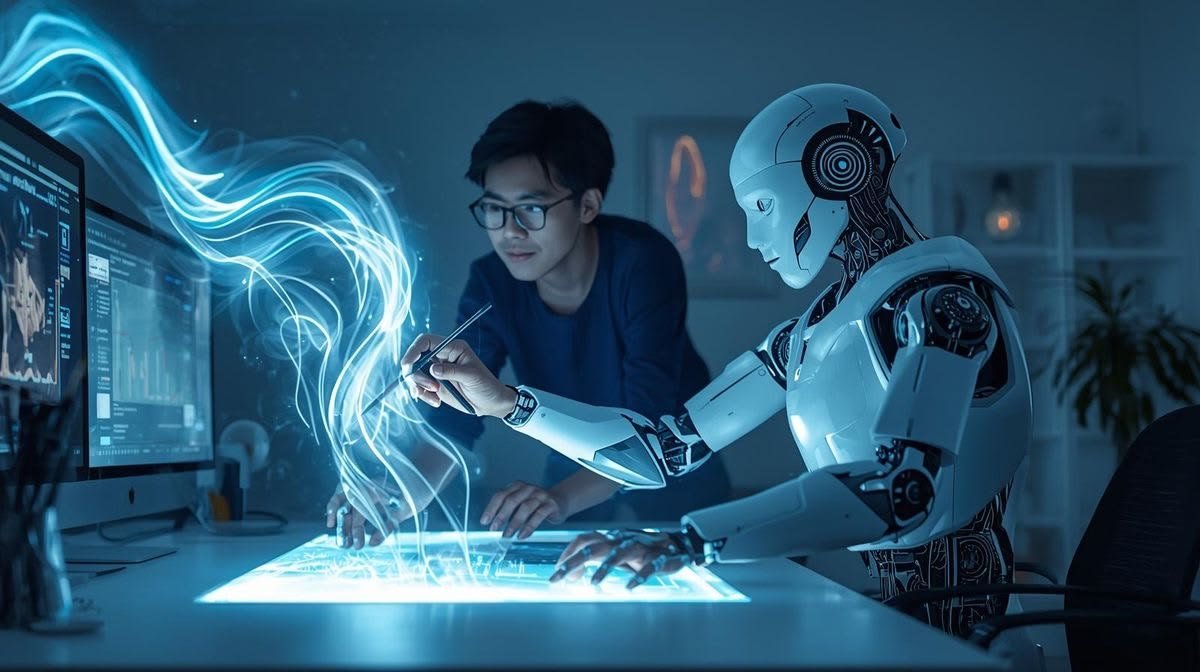
Automation does not necessarily mean that technology will replace every human role. Instead, many industries are using automation to support employees and improve productivity.
Faster and More Connected Communication
Communication technology has changed dramatically over the past few decades. Smartphones and internet services allow people to communicate through instant messaging, video calls, social networks, and collaborative platforms.
Video conferencing has become especially important for education and professional work. People can attend meetings, classes, interviews, and events without being physically present in the same location.
Modern communication tools also make international collaboration easier. Teams located in different countries can work together using shared documents, project-management platforms, messaging applications, and video meetings.
The challenge is that constant connectivity can sometimes create information overload. People may receive too many notifications and spend excessive time looking at screens. Developing healthy digital habits can help users benefit from communication technology without allowing it to dominate their daily lives.
Wearable Technology and Personal Devices
Wearable technology has expanded beyond traditional watches. Smartwatches, fitness trackers, wireless earbuds, and other connected devices can provide useful information and improve convenience.
Fitness trackers can monitor activities such as steps, workouts, and general movement. Smartwatches can display notifications, support communication, provide navigation features, and interact with mobile applications.
Wireless earbuds have also become popular because they provide convenient access to music, calls, podcasts, and other audio content without physical cables.
The continued development of wearable technology may lead to devices that are more personalized and capable of interacting with other digital systems.
Electric and Connected Vehicles
Transportation is also experiencing significant technological changes. Electric vehicles are becoming increasingly important as manufacturers develop new battery technologies and charging systems.
Connected vehicles can provide navigation, entertainment, safety features, maintenance information, and other digital services. Some modern vehicles can communicate with smartphones and receive software updates through internet connections.
Driver-assistance technologies are also improving. Features such as adaptive cruise control, parking assistance, lane monitoring, and emergency braking can support drivers and improve safety when used correctly.
The future of transportation is likely to combine electrification, connectivity, automation, and improved energy efficiency.
Cybersecurity Becomes More Important
As people become more dependent on digital technology, cybersecurity becomes increasingly important. Personal information, financial accounts, photographs, business documents, and communications are frequently stored or shared online.
Cybercriminals may attempt to steal passwords, access accounts, distribute malicious software, or trick users into revealing sensitive information.
Simple security habits can make a significant difference. Users should create strong and unique passwords, enable multi-factor authentication where available, keep software updated, and be cautious when opening unexpected links or attachments.
Businesses also need strong cybersecurity policies because a security incident can affect customers, employees, finances, and reputation.
Technology in Education
Technology has changed the learning experience for students and educators. Online courses, educational applications, digital libraries, interactive lessons, and virtual classrooms provide new ways to access knowledge.
Students can study subjects using videos, online tutorials, digital textbooks, practice applications, and educational platforms. Teachers can use digital tools to create presentations, assignments, quizzes, and interactive learning experiences.
AI-powered educational tools may also provide personalized assistance by helping learners understand difficult concepts and practice specific skills.
However, technology works best when it supports good teaching and learning habits. Digital tools should complement critical thinking, discussion, research, and practical experience rather than replace them completely.
The Importance of Digital Skills
As technology continues to develop, digital skills are becoming increasingly valuable. People do not necessarily need to become professional programmers to benefit from modern technology, but they should understand basic digital concepts.
Useful skills include online research, digital communication, cybersecurity awareness, spreadsheet use, cloud services, basic data analysis, and responsible use of AI tools.
Learning how technology works can help individuals become more productive and make better decisions. It can also improve career opportunities because many modern jobs require employees to interact with digital systems.
Challenges of Rapid Technological Change
Although technology provides many benefits, rapid technological development also creates challenges. Privacy concerns, cybersecurity threats, misinformation, screen dependence, and unequal access to technology are important issues.
Not everyone has the same access to high-speed internet, modern devices, or digital education. This digital divide can create disadvantages for individuals and communities.
There are also questions about how AI and automation will affect employment. Some jobs may change significantly as machines handle repetitive tasks, while new roles may emerge around technology management, data, cybersecurity, and AI.
Responsible technology use requires balancing innovation with privacy, security, accessibility, and human needs.
Final Thoughts
Technology is changing everyday life in ways that would have been difficult to imagine only a few decades ago. Artificial intelligence, smart homes, cloud computing, digital payments, automation, wearable devices, connected vehicles, and online communication are becoming increasingly integrated into ordinary routines.
These developments can save time, improve productivity, increase access to information, and create new opportunities. At the same time, users need to understand the risks associated with privacy, cybersecurity, excessive screen use, and dependence on digital services.
The most useful approach is not simply to adopt every new technology. Instead, people should understand how new tools work, consider their benefits and limitations, and use them responsibly. By developing strong digital skills and maintaining good security habits, individuals can take advantage of technological progress while remaining in control of how technology affects their lives.
Technology will continue to evolve, and future innovations will likely introduce even more changes. Staying informed and adaptable can help people make the most of these developments and prepare for the increasingly digital world ahead.





Leave a Reply